10 Easy Surahs to Memorize First
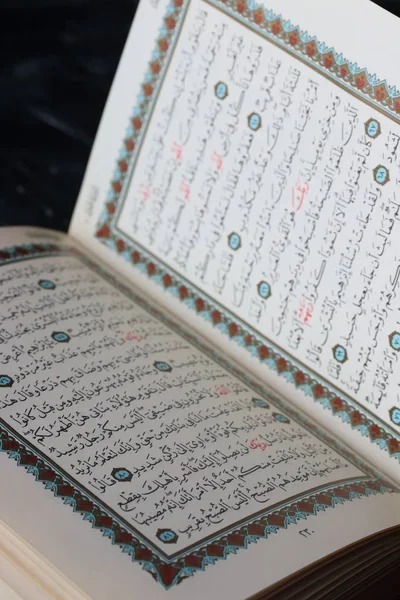
Every hifz journey has to start somewhere, and the good news is that the Quran itself makes that starting point easy. The thirtieth part (Juz Amma) is made up mostly of short surahs, many just a handful of lines long, and a number of them are recited in daily prayer anyway — which means memorizing them isn’t extra work so much as it’s formalizing something a student will already be repeating often. Here are ten that are commonly taught first, roughly in an order that works well for a beginner.
1. Al-Fatiha
The opening chapter, recited in every unit of every prayer, so most students already have a head start on it just from attending prayer regularly. Seven short verses, and arguably the single most important surah to have memorized correctly, since it’s repeated more than any other.
2. An-Nas
The very last surah in the Quran, six short verses about seeking refuge from whispered harm. Its short lines and repeated phrasing make it one of the easiest surahs in the entire book to pick up quickly.
3. Al-Falaq
Paired with An-Nas as the two “refuge” surahs, five verses long, with a similar rhythm and repeated structure that reinforces An-Nas rather than introducing something completely new.
4. Al-Ikhlas
Four verses describing the oneness of God, short but dense, and one of the most frequently recited surahs outside of prayer as well. Its brevity and clear, simple vocabulary make it approachable early on.
5. Al-Masad
Five verses, short and rhythmic, with a repeating sound pattern at the end of most lines that makes the surah easier to retain than its length alone would suggest.
6. An-Nasr
Three verses only, making it one of the shortest complete surahs available to memorize, and a good confidence-builder for a student who has just finished a slightly longer one.
7. Al-Kafirun
Six verses with a clear, repeating structure built around the same handful of words rearranged — which actually makes it easier to hold in memory than a surah of unrelated sentences would be.
8. Al-Kawthar
The shortest surah in the Quran at just three verses, and often one of the very first surahs a young student memorizes, alongside An-Nasr.
9. Al-Ma’un
Seven verses, slightly longer than the others on this list and a good next step once the shorter surahs feel comfortable, with more distinct, less repetitive phrasing that starts building a student’s ability to memorize non-repeating material.
10. Quraysh
Four verses, short and rhythmically simple, and a natural pairing with Al-Ma’un since the two are recited near each other within the Quran’s final section.
A note on order
There’s no single correct sequence here — different teachers and different Qaida traditions introduce these surahs in slightly different orders, and that’s fine. What matters more than the exact order is starting with genuinely short material, getting the pronunciation corrected early rather than memorizing a mistake, and reviewing each surah regularly enough that it doesn’t fade once a new one is introduced.
Memorizing correctly the first time matters more than memorizing quickly
It’s tempting to move fast through this list, especially since the surahs are short. But a surah memorized with a mispronunciation baked in is genuinely harder to fix later than it would have been to get right from the first repetition — the wrong version has already become the familiar one. This is really where a teacher earns their keep even on short, “easy” surahs: catching a small pronunciation habit in the first week rather than the fiftieth repetition.
If your child (or you) is just starting hifz, a free trial class with Easy Quran Classes is a low-pressure way to have a teacher listen to where things currently stand and suggest which of these ten to start with.